UPR Cayey Lands $621,000 in Federal Funding to Figure Out Why a Mild Head Injury Leaves Behind Chronic Pain
CoquiList · With information from NotiCel
The University of Puerto Rico at Cayey landed $621,000 in federal funding to investigate why a mild blow to the head — the kind that happens on a basketball court, in a low-speed car crash, or in a fall at home — can turn, months later, into a headache that never fully goes away. The money comes from the National Institute of Neurological Disorders and Stroke (NINDS), a branch of the U.S. National Institutes of Health (NIH), and it puts a small campus in the UPR system at the center of a question that touches thousands of Puerto Ricans who have had a concussion at some point: why does the brain, in some cases, decide to keep the pain switched on for years.1
The principal investigator is Dr. Laura C. Vicente Rodriguez of UPR Cayey, who will work alongside Dr. Demetrio Sierra Mercado of the UPR Medical Sciences Campus School of Medicine. The project started September 22, 2026, and runs through August 31, 2030 — four years of lab work aimed at understanding the role of brain inflammation, specifically a molecular structure called the NLRP3 inflammasome, in the development of chronic pain after mild, repetitive traumatic brain injuries.1
Context
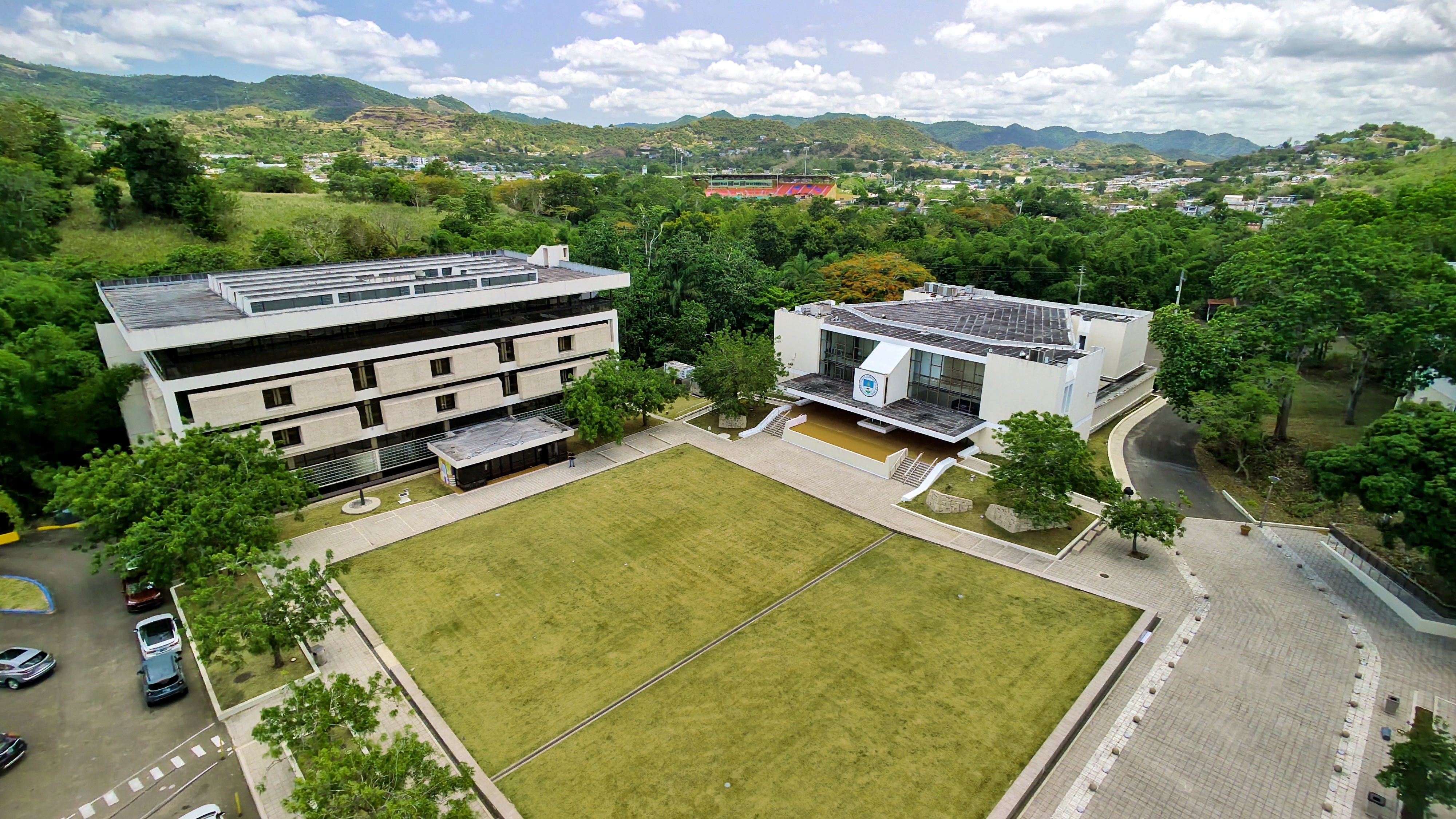
UPR Cayey isn't the campus that first comes to mind when people think of high-level medical research: it's a small, mostly undergraduate public institution known for its natural sciences, biology, humanities, and education programs, carrying the institutional motto "El reto esta aceptado" ("The challenge is accepted").2 But the campus runs an active Interdisciplinary Research Institute, and just weeks before this announcement it had secured another $2 million grant from the Mellon Foundation for humanities research — a sign that chasing outside funding isn't an isolated event but a sustained campus strategy.2
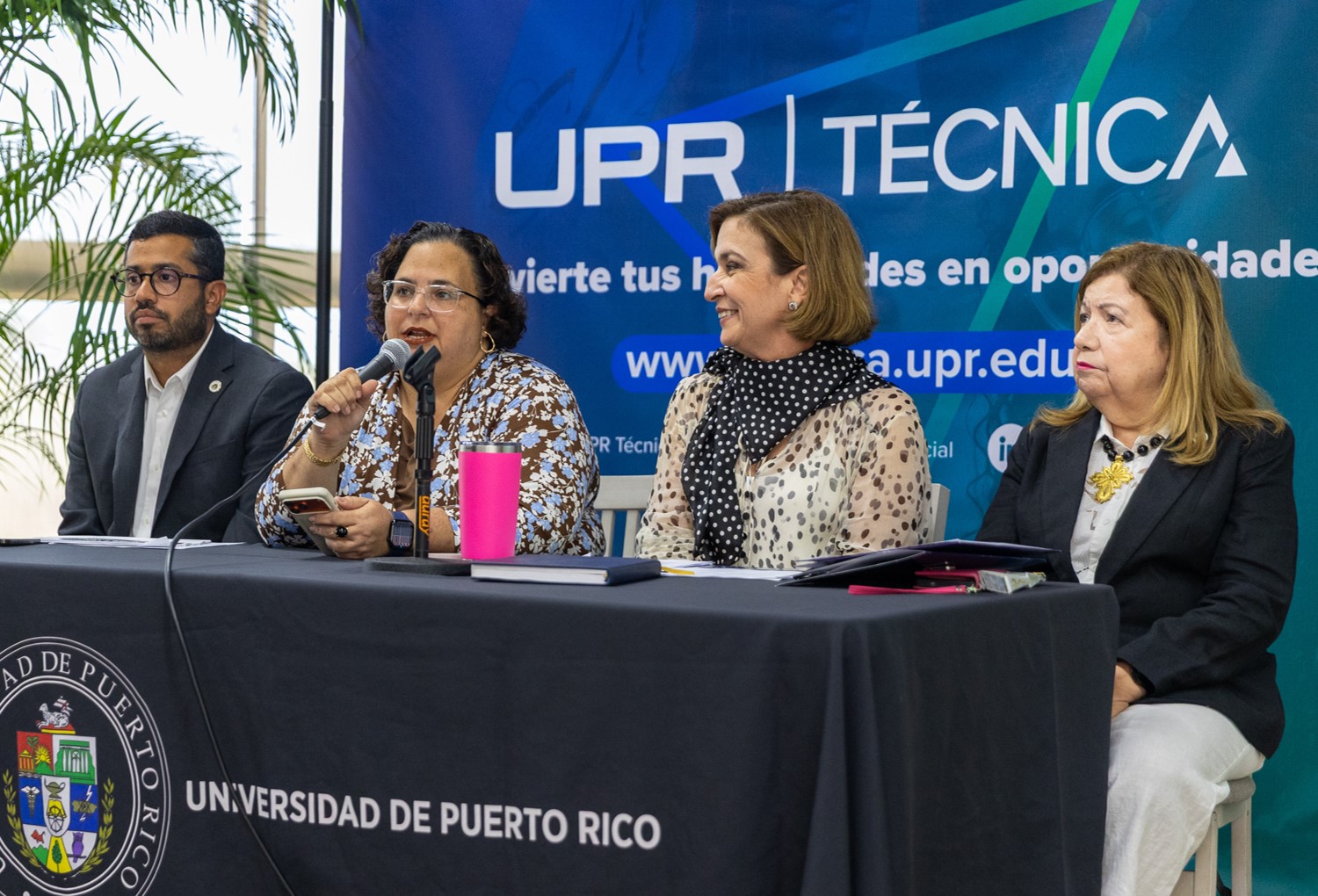
Vicente Rodriguez's award also lands in the middle of a string of good news for the UPR system this semester: in late September the system launched "UPR Tecnica" to expand access to hands-on vocational training, and in early October it announced both a partnership with Telemundo to strengthen meteorology student training and new research from professor Riccardo Papa on how new species form. The university hospital, Dr. Federico Trilla, also became the only facility in Puerto Rico with four Surgical Centers of Excellence.3 In that context, the NINDS grant to Cayey adds to a particularly active semester for research inside the island's public higher-education system.
The scientific backdrop matters because mild concussions and head injuries are common in Puerto Rico — they happen in school sports, in traffic, in falls among older adults, and in accidents at home. Most people recover within days or weeks, but a meaningful share go on to develop persistent headaches that can last months or years, and science still doesn't fully understand why some brains heal while others don't. NINDS, the federal institute funding the study, is the NIH branch specifically dedicated to diseases of the brain and nervous system — from Alzheimer's to epilepsy, from Parkinson's to traumatic brain injury — and it channels most of its annual budget, which exceeds $2 billion, into external grants like this one.4
The numbers
- $621,000 is the total grant amount awarded by NINDS/NIH to UPR Cayey.1
- 4 years is the project's duration: from September 22, 2026, to August 31, 2030.1
- 8 UPR Cayey undergraduates will work directly on the experimental work, sample analysis, and scientific presentations.1
- 2 outside institutions are collaborating on the study's scientific design: the National Institutes of Health, through Dr. Yarimar Carrasquillo, and the Mass General Research Institute, affiliated with Harvard, through Dr. Michael Whalen.1
- $2 billion is roughly NINDS's annual federal budget for this kind of research.4
- $2 million was the other large grant — from the Mellon Foundation — that UPR Cayey recently secured, this time for humanities work.2
What it means for you
If you ever took a hard hit to the head playing basketball, in a minor crash, or in a fall, and months later you were still dragging around headaches nobody could quite explain, this research is, literally, about your case. The study won't change your treatment tomorrow, but if it confirms the NLRP3 inflammasome's role in why pain turns chronic, that opens the door to medications or therapies aimed specifically at that mechanism, instead of just prescribing generic painkillers and hoping the pain fades on its own.
For UPR Cayey students, or students anywhere in the system considering science, neuroscience, or medicine, this project is also a real way in: eight students will work hands-on in an NIH-funded lab with collaborators at Harvard, the kind of opportunity usually associated with bigger campuses like Rio Piedras or the Medical Sciences Campus. And for families with a student athlete at home, the research is a reminder that a concussion that "seems to be over" can still leave effects worth medical follow-up — not just a couple of days of rest.
How to act / Checklist
- If you or someone in your family suffered a head injury and headaches continue more than two or three weeks afterward, ask for a neurology evaluation, not just a general-medicine visit.
- Keep a written log of when the pain happens, how severe it is, and what triggers it (light, exercise, screens) — that information helps doctors tell a post-traumatic migraine apart from other types of headache.
- If you're a UPR Cayey student interested in getting involved or learning more, reach out to the campus's Interdisciplinary Research Institute or the Biology Department to ask about related undergraduate research opportunities.
- If you coach or supervise school sports, insist on concussion-management protocols (like gradual return-to-play) and don't let a student back on the court just because "it doesn't hurt today."
- Follow UPR Cayey's and the UPR system's official pages to find out when the team publishes preliminary results or looks for participants in later phases of the study.
What's next
The project is just getting started: the first months will go toward setting up lab protocols and recruiting the eight students who will work on it. The scientific results — if the NLRP3 inflammasome turns out to be, in fact, a central player in post-traumatic chronic pain — will take years to publish, and longer still to translate into new treatments available to patients. In the meantime, UPR Cayey is shaping up as a case study within the UPR system itself: a small campus that, adding this NINDS grant to the Mellon Foundation's $2 million, shows that competing for federal and philanthropic dollars isn't exclusive to UPR's largest campuses.123
Sources
CoquiList summary and local context. Read the linked sources for the original reporting.
Ask about this story
Ask anything about this article — in English or Spanish.
Log in to ask about this story.
Comments (0)
Log in to join the conversation.
No comments yet — be the first.