CDBG-State: 190 Projects Worth $42.3 Million, and Nearly Half Are Still in Planning
CoquíList · With information from NotiCel
Nearly half of the projects the Housing Department funds with federal community development money in Puerto Rico's smaller municipalities have yet to break ground. Of 190 projects worth $42.3 million across 49 municipalities, 89 (about $21.1 million) are still in the planning phase, according to the CDBG-State program listing with data as of October 31 and reported on November 28 1.
Background
CDBG-State is the state-run version of the federal Community Development Block Grant program. The Department of Housing administers it, and it is designed for municipalities with fewer than 50,000 residents, which do not receive the money directly from HUD 3. Mayors submit proposals for work such as repaving, park and court improvements, home rehabilitation and community projects, and the agency reviews and oversees them 13.
This is not hurricane recovery money. It is the regular, smaller-scale grant that for years has paid for fixes that change a street or neighborhood. That is why its pace matters: every month a project sits on paper is another month with the road broken or the roof unrepaired. The program's five-year consolidated plan for 2025-2029 was presented to municipalities in March 2025 2.
The numbers
Breakdown by stage, according to the listing published by the Statistics Institute with Housing Department data 1:
- Planning: 89 projects, $21.1 million (about 47% of projects).
- In progress: 37 projects, $11.1 million.
- Completed: 57 projects, $8.3 million (30% of projects).
- Cancelled by municipalities: 7 projects, $1.9 million.
The standard execution period for a project is 48 months, extendable to 60 1. That explains part of the lag: a project approved today can take up to five years to finish.
By municipality, the listing highlights several cases 1:
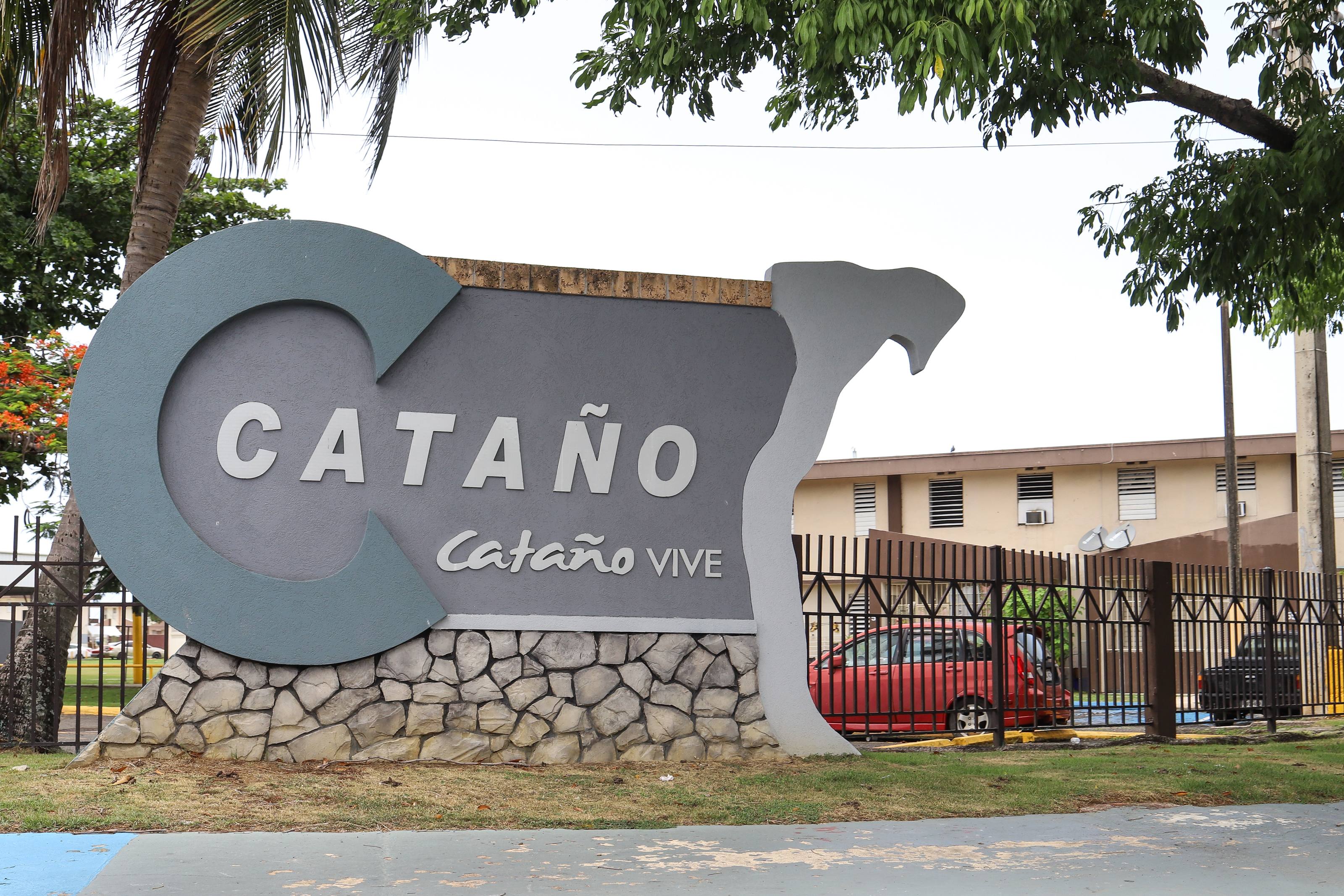
- Cataño has three projects in progress worth $1,477,484.72, the largest municipal total at that stage.
- Salinas has four projects in progress totaling $1,344,054.52.
- Dorado is carrying out a home rehabilitation project worth $1,010,202.22, the costliest project in progress.
- Culebra has $2,556,718.12 in planning, the highest municipal total in that phase.
- Orocovis completed seven repaving projects worth $1,407,067.77, more finished works than any other municipality.
- Utuado has $867,592.84 in completed projects.
Seven projects were also cancelled by the municipalities themselves. Though a small share, they represent $1.9 million that never reached the community 1.
What it means for you
If you live in one of the 49 municipalities on the list, this data tells you whether the project announced in your community is on track or stuck. A project in planning has no contractor or start date yet; one in progress has funds assigned and work underway 1.
For residents of Cataño, Salinas, Dorado, Culebra, Orocovis and Utuado, there are concrete figures to bring to the mayor's office. For everyone else, the listing is a starting point for demanding accountability: if your municipality shows projects stuck in planning for years, you have grounds to ask what is missing.
In home rehabilitation cases like Dorado's, the benefit goes straight to families with limited income. It is worth finding out whether your municipality has such a program open 13.
How to / Checklist
- Look up your municipality in the CDBG-State listing published by the Statistics Institute with Housing Department data as of October 31, 2026 1.
- Note each project's status (planning, in progress, completed or cancelled) and its value 1.
- Ask in writing at your municipality's federal programs office or municipal secretary for the project schedule, the contractor and the estimated start and finish dates.
- If a project has been in planning for more than two years, ask whether the municipality requested an extension; the standard period is 48 months and can reach 60 1.
- For comments or questions about the program, email [email protected] or call (787) 274-2527, contacts the Housing Department published in its March 2025 release 2. Confirm they are still current.
- To propose a project, take it to your mayor or municipal legislature: municipalities are the ones that file proposals with Housing, following the program's application guide 3.
What's next
The 89 projects in planning are the program's test in the coming months: if they move to construction, the number of works in progress could more than triple. Since the standard timeline is 48 months, municipalities with older projects stuck in planning are approaching decisions on extension or cancellation 1.
Housing must also keep updating the listing and carrying out the 2025-2029 consolidated plan 2. Future data cuts will show whether the planning share drops below 47% or the backlog hardens.
Sources
CoquiList summary and local context. Read the linked sources for the original reporting.
Ask about this story
Ask anything about this article — in English or Spanish.
Log in to ask about this story.
Comments (0)
Log in to join the conversation.
No comments yet — be the first.