CST Closes Child Passenger Safety Week: 740 Car Seats and 153 Certified Technicians in Puerto Rico
CoquiList · With information from NotiCel
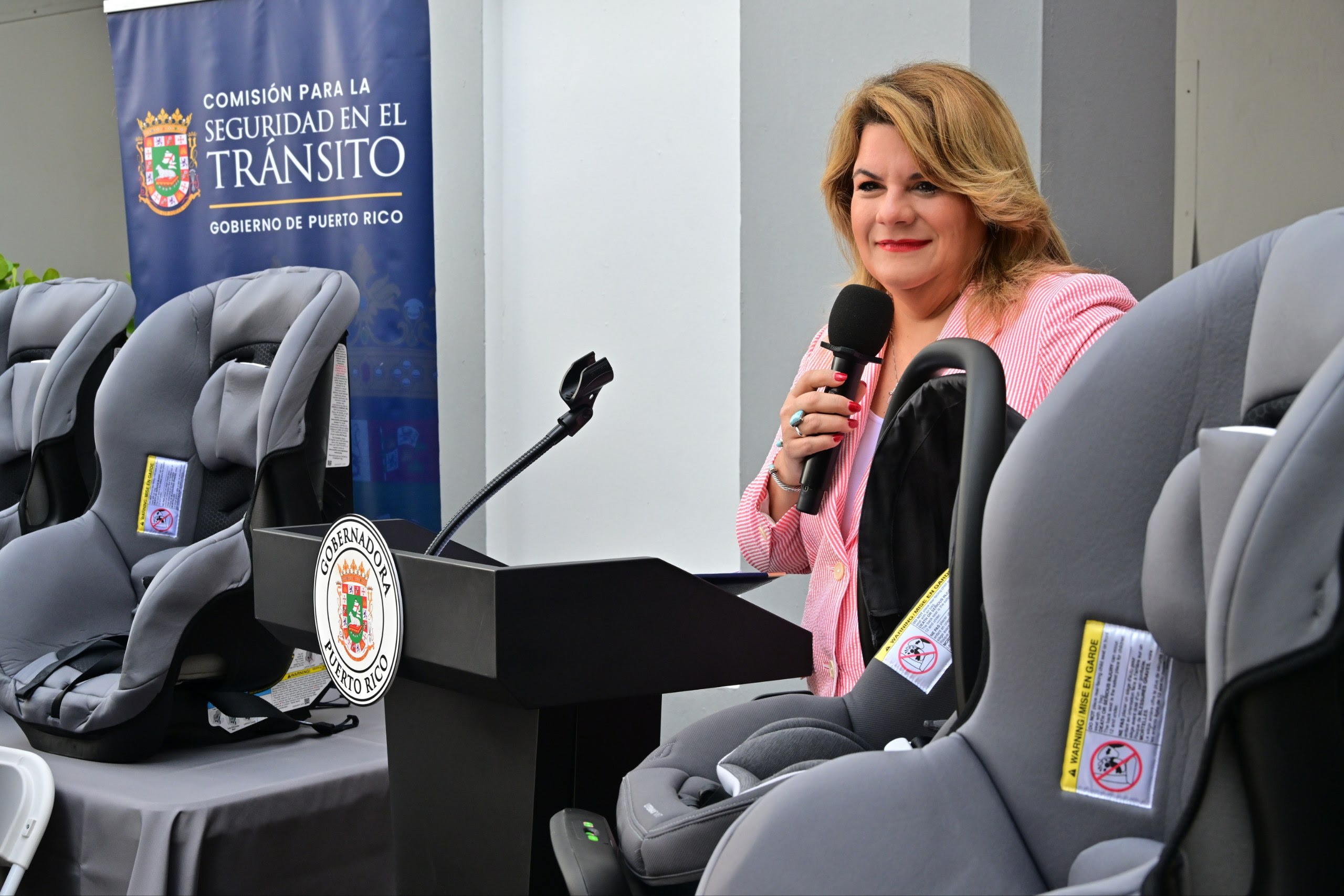
Puerto Rico's Transit Safety Commission (Comisión para la Seguridad en el Tránsito, CST) closed out Child Passenger Safety Week on Saturday, September 26, 2026, with a car seat distribution event in Canóvanas, Bayamón, Guaynabo, and San Juan, handing out 11 additional protective seats to families who took part in the national "National Seat Check Saturday" event 1. The activity was not an isolated gesture: it is part of a $102,194.60 investment the agency has made in 740 car seats between 2025 and 2026, backed by a network of 153 certified technicians now covering the island 12.
The program, known as Asiento Protector, has operated under the CST for years as a response to a problem the scientific evidence consistently documents: incorrectly installed child car seats do not protect the way they should. The national awareness week, coordinated in Puerto Rico in alignment with the U.S. National Highway Traffic Safety Administration's (NHTSA) campaign, ran from September 20 to 26, 2026, and culminated in free check-and-install points across four municipalities, including a site at Fort Buchanan 1.
The numbers behind the program
Of the 740 seats acquired in the 2025-2026 period, 374 were purchased in 2025 for $51,232.56 (25 of them equipped with sensor technology) and 366 in 2026 for $50,962.04 (70 with sensors), for a combined total of 95 sensor-equipped seats across both deliveries 1. So far in 2026 alone, the agency has distributed more than 350 protective seats to families across the island 1. In parallel, the CST invested $18,565.20 to train 23 people as certified technicians during 2025 and 2026, and between September 15 and 18, 2026 it certified 13 new technicians 1. Today the network combines 121 trained state firefighters and 32 additional technicians, for a total of 153 people certified to correctly install car seats in Puerto Rico 1.
Governor Jenniffer González Colón noted at the event that a seat "correctly installed can make the critical difference in a minor's life" during a crash 1, while CST executive director José "Memo" González Mercado framed the effort as "a shared responsibility" between the agency and families 1.
What This Means for You
This is not an abstract statistic. According to the U.S. Centers for Disease Control and Prevention (CDC), observational studies have estimated that 46% of car seats and booster seats are used incorrectly in a way that could reduce their effectiveness, a figure that rises to 59% when boosters are excluded and only forward- or rear-facing car seats are considered 3. More recent, smaller, localized studies suggest the misuse rate can reach 85% or higher in some communities 3. In other words: most parents who install a seat on their own, without a professional check, are probably getting something wrong at some point — a loose harness, the wrong recline angle for a rear-facing infant seat, or an incorrectly routed belt on a booster — even if they believe it's fine.
If you have young children who ride in a car in Puerto Rico, the CST's Asiento Protector program exists specifically to close that gap: a free inspection by a certified technician, and in many cases, access to a subsidized seat if your family needs one.
How to Do It / Checklist
- Check whether your current seat's expiration date has passed (most expire 6 to 10 years after manufacture; the date is stamped on the base or on a label).
- Confirm your seat model is not under an active recall before continuing to use it.
- Request a free installation check with a Certified Passenger Safety Technician (CPST) through the CST, by calling (787) 721-4142 or emailing [email protected] 2.
- If your family qualifies based on financial need, ask directly about the Asiento Protector program for a subsidized or free seat 2.
- Bring the seat already installed in your vehicle to the appointment — not loose — so the technician can evaluate the actual installation, not just the seat itself.
- Check that the harness is snug (pinch test: you shouldn't be able to pinch excess strap fabric at the shoulder) and that the recline angle is correct for the child's age and weight.
- Repeat the check every time you change vehicles, change seats, or when the child outgrows a category (from rear-facing to forward-facing, or to a booster).
What's Next
The CST has not signaled that this closes out the effort: the agency certified 13 new technicians just the week before the closing event, suggesting it will keep expanding its network of check points beyond the four municipalities visited on September 26 1. The combination of more certified technicians and more sensor-equipped seats (95 so far) points to continued program growth in the coming months, particularly heading into the back-to-school season and the road-safety audits that historically accompany the agency's last fiscal quarter.
Sources
- NotiCel — "Entregan asientos protectores a familias durante el National Seat Check Saturday", September 26, 2026
- Comisión para la Seguridad en el Tránsito (CST) — Asiento Protector Program
- Centers for Disease Control and Prevention (CDC) — Child Passenger Safety: Risk Factors
Sources
- 1.NotiCel
CoquiList summary and local context. Read the linked sources for the original reporting.
Ask about this story
Ask anything about this article — in English or Spanish.
Log in to ask about this story.
Comments (0)
Log in to join the conversation.
No comments yet — be the first.