Coffee Will Cost Up to 90 Cents More Per Pound in Puerto Rico Starting November 13
CoquiList · With information from El Vocero de Puerto Rico
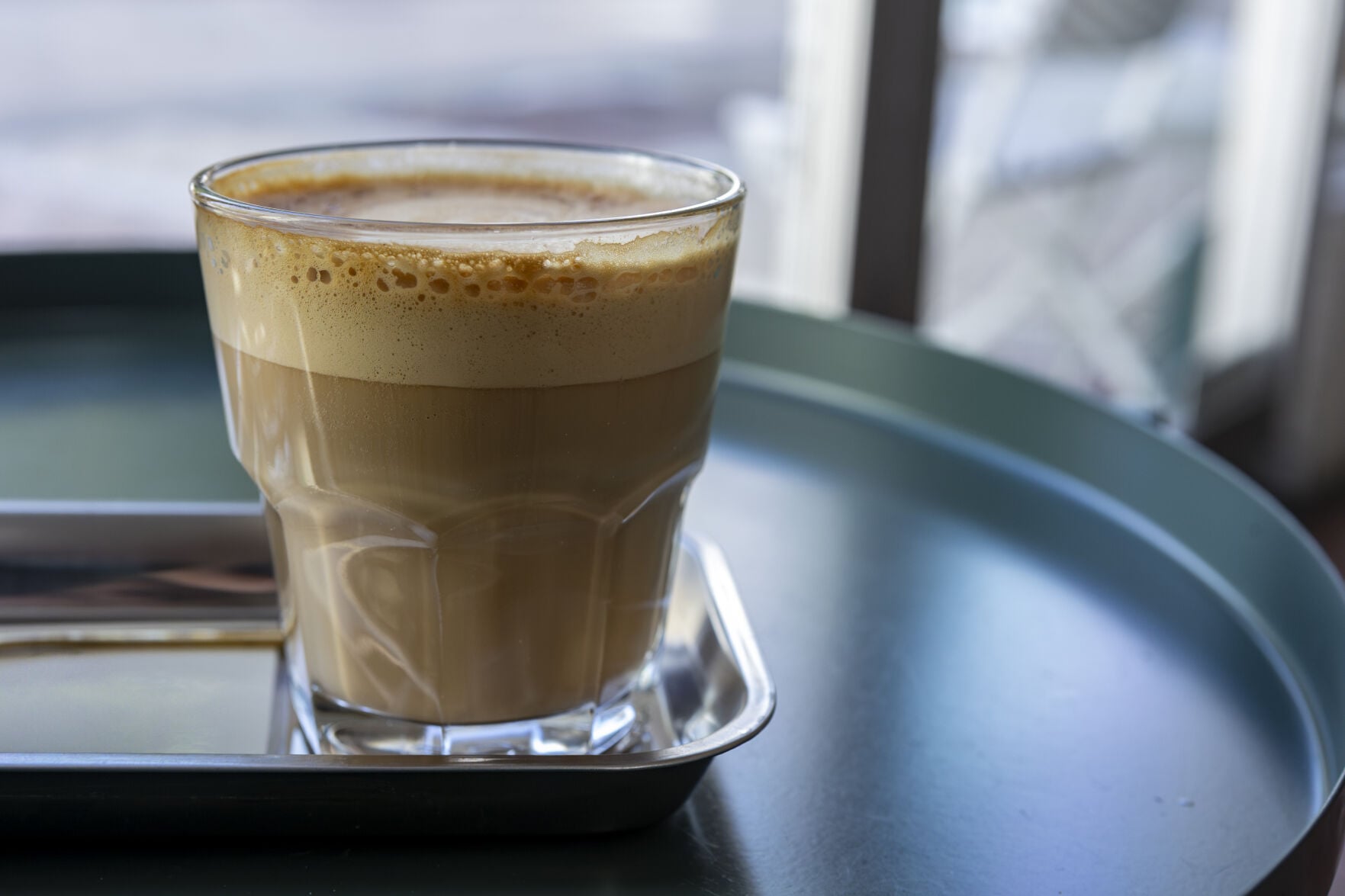
Starting November 13, a pound of coffee in Puerto Rico will cost between 50 and 90 cents more — a 10% to 20% increase — with some brands approaching $6.00 for a 14-ounce bag, under Administrative Order No. 2026-007, which the Department of Consumer Affairs (DACO) approved this week at the request of the Department of Agriculture 12.
What happened
The order revises the structure of minimum coffee prices for the first time in roughly 15 years, following a process that included farmers, processors, roasters and specialists convened by the Coffee Evaluation Committee 2. Agriculture Secretary Irving Rodriguez Torres said the decision "was not made unilaterally" and sought to balance support for Puerto Rican farmers with protecting consumers' wallets, in line with Governor Jenniffer Gonzalez Colon's public policy 2.
The change responds to two separate pressures that converged this year. On one side, local production costs, labor, inputs, fertilizer and equipment, have risen for years without the price paid to coffee farmers keeping pace. On the other, the price of coffee Puerto Rico buys abroad spiked on the international market: a quintal of arabica rose from $375 to $450, and robusta from $256 to $307.20, an increase the government attributes partly to labor shortages and climate problems in producing countries 1. Rodriguez Torres summed up the dilemma: "The farmer has seen labor costs, inputs, fertilizers, equipment and everything needed to produce coffee rise for years. Meanwhile, coffee we must acquire outside Puerto Rico has also increased significantly" 1.
The numbers
- Consumer price: up 10% to 20%, or 50 to 90 cents per pound (14-ounce bag), approaching $6.00 for some brands 1.
- Payment to farmers for ripe (red) coffee cherries: rising from $18.00 to $22.00 per almud 12.
- Payment for semi-ripe and robusta coffee: rising from $12.00 to $14.50 per almud 2.
- Imported semi-roasted arabica coffee: from $375 to $450 per quintal 12.
- Imported semi-roasted robusta coffee: from $256 to $307.20 per quintal 12.
- Local production, 2024-2025: 32,111 quintals, versus 388,835 quintals imported, meaning the island grows only a fraction of what it consumes 1.
- Agriculture Department losses from keeping imported coffee prices frozen despite the international spike: $8.3 million in fiscal year 2024-2025 and $8.8 million in 2025-2026, more than $30 million cumulatively 12.
- Effective date: Order 2026-007 takes effect November 13, 2026 12.
Within the industry, roaster Gilberto Calderon, owner of Dnuevo Coffee Specialty and Cafexus, attributed the international increase to a roughly 20% jump in global coffee prices driven by agricultural labor shortages and weather events in producing countries 1. Alan Tavera, president of the Centro Unido de Detallistas (CUD), warned the increase won't hit consumers uniformly, since each business has its own cost structure and margins 1.
What it means for you
If you drink coffee daily, you'll notice it on your grocery receipt starting in mid-November: a pound that costs around $5.00 today could reach $5.50 or $6.00. The hit is smaller than other recent cost-of-living increases, but it adds to a grocery basket that's already stretched. If you own a corner store, bakery, or coffee shop, the higher minimum price you must pay farmers per quintal also raises your input cost, and you'll have to decide how much to pass on to customers. And if you're among the roughly one thousand coffee-farming families on the island, this is the first price revision in 15 years, an adjustment Agriculture says is meant to keep growing coffee in Puerto Rico viable, rather than relying almost entirely on imports 12.
How to handle it / Checklist
- Buy before November 13 to lock in today's price on brands you already buy; stores may start selling even old inventory at the new price as the date approaches.
- Compare price per ounce, not per bag. Given the uneven increase CUD warned about, one brand's 14-ounce bag could rise more than another's; calculate cost per ounce before deciding.
- Consider certified 100% Puerto Rican coffee (Yauco Selecto, Lares, Jayuya, Adjuntas) if you want to directly support the farmer receiving the new minimum price; the $18-to-$22 almud increase goes straight to their pocket.
- If you run a business that serves or sells coffee, review your contract with your supplier or roaster now to anticipate the new input cost before November, not after.
- Check the price on the package. DACO requires visible pricing; if you see an increase before November 13 without justification, you can report it to DACO at 787-722-7555 or at daco.pr.gov 3.
What's next
Order 2026-007 takes effect November 13, but that's not the end of the process: Agriculture said the Coffee Evaluation Committee will keep monitoring international arabica and robusta prices, which have been volatile this year due to weather and labor conditions in producing countries like Brazil and Vietnam 1. If that volatility continues, another revision before another 15 years pass isn't off the table. Meanwhile, the government faces the underlying question: with only 32,111 quintals of local production against nearly 389,000 quintals imported, the new minimum price aims to encourage new planting, but it will take years of harvests, a coffee plant typically takes three to four years to produce, before Puerto Rico depends less on coffee from abroad 1.
Sources
CoquiList summary and local context. Read the linked sources for the original reporting.
Ask about this story
Ask anything about this article — in English or Spanish.
Log in to ask about this story.
Comments (0)
Log in to join the conversation.
No comments yet — be the first.