Ruben Blades' Salsa Opera Maestra Vida Leaves Panama for the First Time, Opening at Bellas Artes in November
CoquiList · With information from El Nuevo Dia
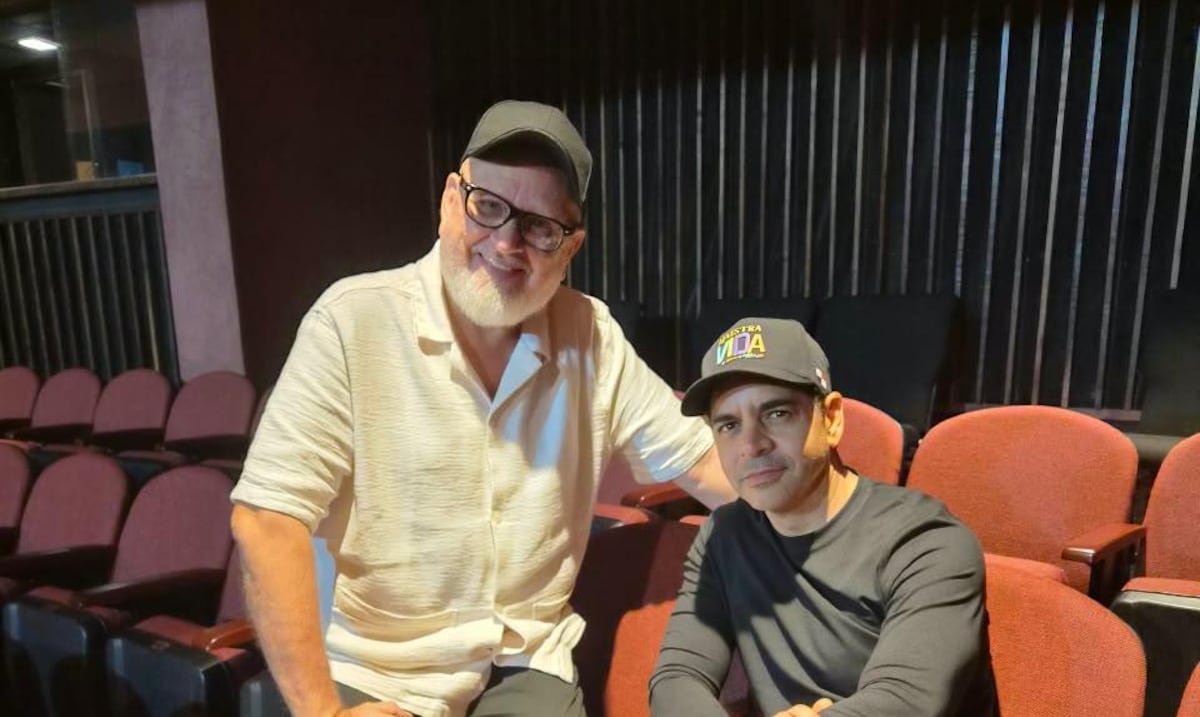
After 35 performances and three and a half years filling theaters in Panama, "Maestra Vida, El Musical de Ruben Blades" is crossing the Caribbean for the first time in its history. The production, based on the double album Blades recorded in 1980 with Willie Colon, will run November 27, 28 and 29 at the Centro de Bellas Artes Luis A. Ferre in Santurce, with a cast of 50 actors and dancers and a live orchestra led by maestro Roberto Delgado 1.
Context
"Maestra Vida" was born as a Fania Records concept album in 1980, written entirely by Ruben Blades and produced by Willie Colon 2. At the time it was considered the first original salsa opera in the genre's history, a step beyond Larry Harlow's 1973 "Hommy," which had adapted The Who's rock opera. Blades called his approach "Focila" (Folklore of the Latin American City), a fusion of salsa with Latin American literary narrative, symphonic strings arranged by Harold Kohnon's ensemble, boleros, samba, bossa nova and plena 2. The story follows Carmelo Da Silva, a tailor, and his wife Manuela Perez across an entire lifetime: romance, marriage, the birth of their son Ramiro, daily hardship, old age and death, all narrated by Vava Quinones, the owner of a neighborhood bar. On the original recording, Blades's own mother, Anoland Diaz, sang the role of Manuela, something the artist never repeated on any other project 2. The album tackled themes uncommon in commercial salsa of the era, such as the loneliness of elderly people waiting at home for children who never arrive, as Blades himself once explained. Nearly half a century after it was conceived, the work became a stage musical under the artistic direction of Edwin Cedeno and the production of Augusto Yamir Posso Botello, with Leo Almengor as the lead performing 15 musical numbers 1. Cedeno summed up the significance of bringing the story to the island in a simple line: now the neighborhood in the story is no longer Panama's neighborhood, it is Puerto Rico's neighborhood 1.
The numbers
- 1980: the year Ruben Blades released the original double album on Fania Records 2.
- 46 years: the span between the album's recording and its arrival as a full stage production in Puerto Rico 2.
- 35 performances: how many times the musical ran in Panama before crossing borders 1.
- Three and a half years: the length of the Panama run that preceded this premiere 1.
- 50: actors and dancers in the stage cast, plus a live orchestra 1.
- 15: musical numbers performed by lead actor Leo Almengor throughout the show 1.
- 3 performances: November 27, 28 and 29, 2026, all at the Centro de Bellas Artes in Santurce 13.
What it means for you
That a production of this scale chose Puerto Rico as its first stop outside Panama is not a coincidence. The island's performing arts scene has spent years competing to land productions of this size, and the fact that the "Maestra Vida" team skipped other Latin American markets to come straight to Santurce speaks to the confidence that now exists in Bellas Artes' capacity and in the local audience's appetite to sustain a production with a live orchestra and a 50-person cast 1. For audiences who grew up listening to Blades, this is a rare chance to see staged a record that defined conceptual salsa in the 1980s and that had never before been mounted as musical theater on the island. For those unfamiliar with the album, it is an entry point into one of the most ambitious works in the salsa repertoire, with the added benefit of experiencing it live with full orchestra and choreography.
How to act / Checklist
- Mark the three available dates: November 27, 28 and 29, 2026, with an 8:30 p.m. showtime at the Centro de Bellas Artes Luis A. Ferre, Santurce 13.
- Buy tickets through Ticketera, Ticket Center PR (tcpr.com) or directly at the Bellas Artes box office; prices vary by seating zone, so confirm the seating chart at the time of purchase 13.
- If you can, listen to the original 1980 album before the show. Recognizing moments like Ramiro's birth or Carmelo's farewell adds depth to the live experience.
- Arrive 30 to 45 minutes early: the Bellas Artes area in Santurce can have heavy traffic and limited parking on show nights.
- Follow Ticketera and Centro de Bellas Artes on social media in case additional dates are announced; in Panama, demand sustained 35 performances over three and a half years, so extra shows are not out of the question if the response is strong.
- If attending with children or older relatives, note the show handles themes of aging and death with sensitivity, but in a way appropriate for family audiences used to musical theater.
What's next
The production team has not confirmed whether Puerto Rico will be a single stop or the start of a broader Caribbean and U.S. tour, but the Panama pattern, where the show stayed on stage for years, suggests Bellas Artes could add dates if demand justifies it. For now, the date is set: three nights in November to see one of conceptual salsa's most influential works staged on Puerto Rican soil, half a century after Ruben Blades first imagined it 1.
CoquiList summary and local context. Read the linked sources for the original reporting.
Ask about this story
Ask anything about this article — in English or Spanish.
Log in to ask about this story.
Comments (0)
Log in to join the conversation.
No comments yet — be the first.