Nonprofit Proposes Water Security Law to Shield Puerto Rico's Watersheds From Drought
CoquiList · With information from El Nuevo Dia
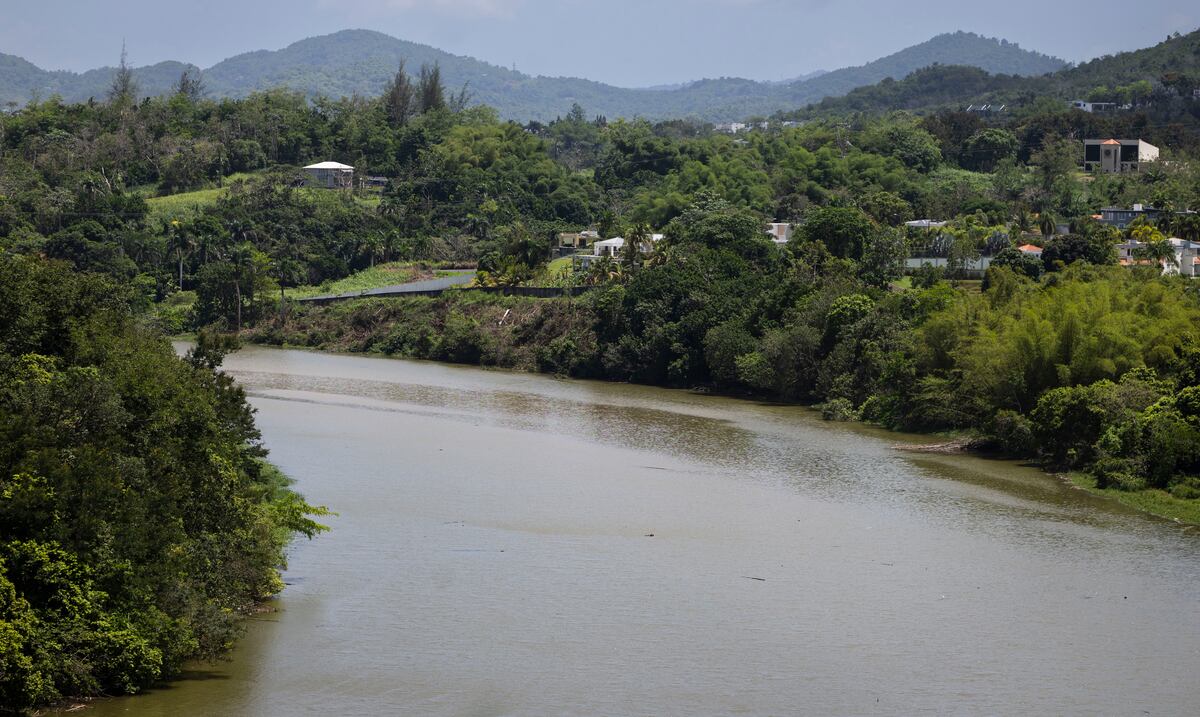
The nonprofit organization La Marana this week delivered to the Puerto Rico Legislature a draft bill to create the Water Security Law of Puerto Rico, a measure that would declare watersheds and aquifer recharge zones critical infrastructure, protecting them from construction and deforestation as the island faces the risk of more frequent droughts 12.
Context
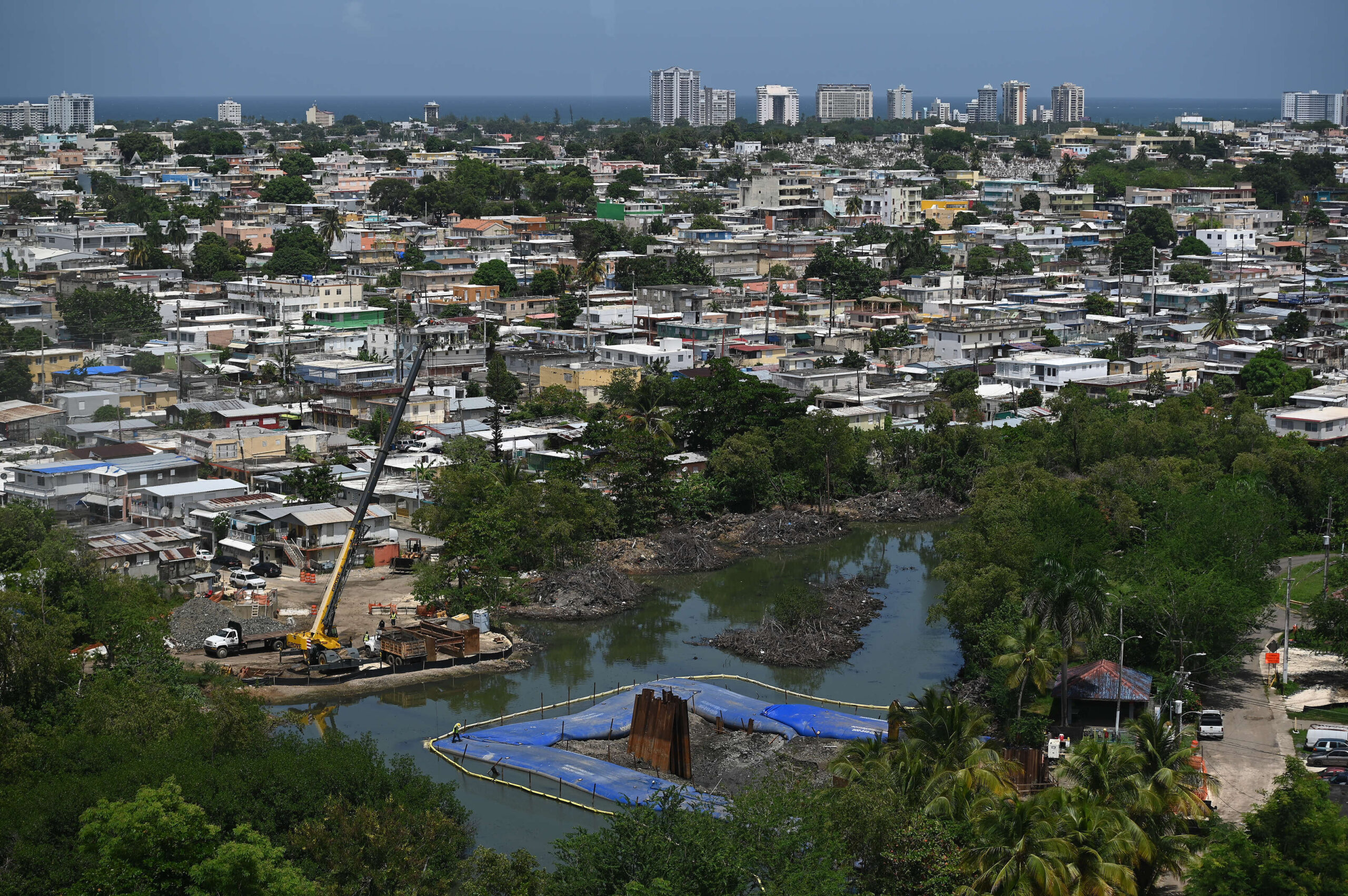
The proposal arrives as the Carraizo and La Plata reservoirs, two of the main sources of drinking water for the San Juan metro area, show declining levels, and as scientists anticipate that the effects of El Nino could extend through August 2027 1. Western Puerto Rico is, according to the U.S. Drought Monitor, the island's most drought-vulnerable region 14.
La Marana, which works on participatory design for sustainable development in Puerto Rican communities, conducted a survey between February 20 and May 26, 2026, of 138 residents across eight western municipalities to document how the water crisis affects daily life 12. Cynthia Burgos Lopez, the organization's executive director and co-founder, is driving the initiative alongside Jose Arturo Maldonado of the University of Puerto Rico Legal Clinic 1.
The numbers
La Marana's survey found that 43 percent of respondents reported water service interruptions one to three times a year, 36 percent said they experienced them one to three times a month, and roughly 15 percent said interruptions are weekly or even daily 1. The bill would also create a Hydrological Impact Fee, a charge on construction projects that reduce the land's water infiltration capacity, with the funds earmarked for protecting and restoring recharge zones 1. The measure would additionally require the Department of Natural and Environmental Resources (DRNA) to identify and map, using scientific data, so-called Strategic Hydric Recharge Areas 1.
The draft builds on Law 33-2019, known as Puerto Rico's Climate Mitigation, Adaptation and Resilience Law, which set public policy on climate change but, according to the bill's backers, has not been enough to address the water crisis preventively 13. Currently, 16 state and federal agencies hold jurisdiction over water management on the island, something La Marana points to as part of the fragmentation problem 1.
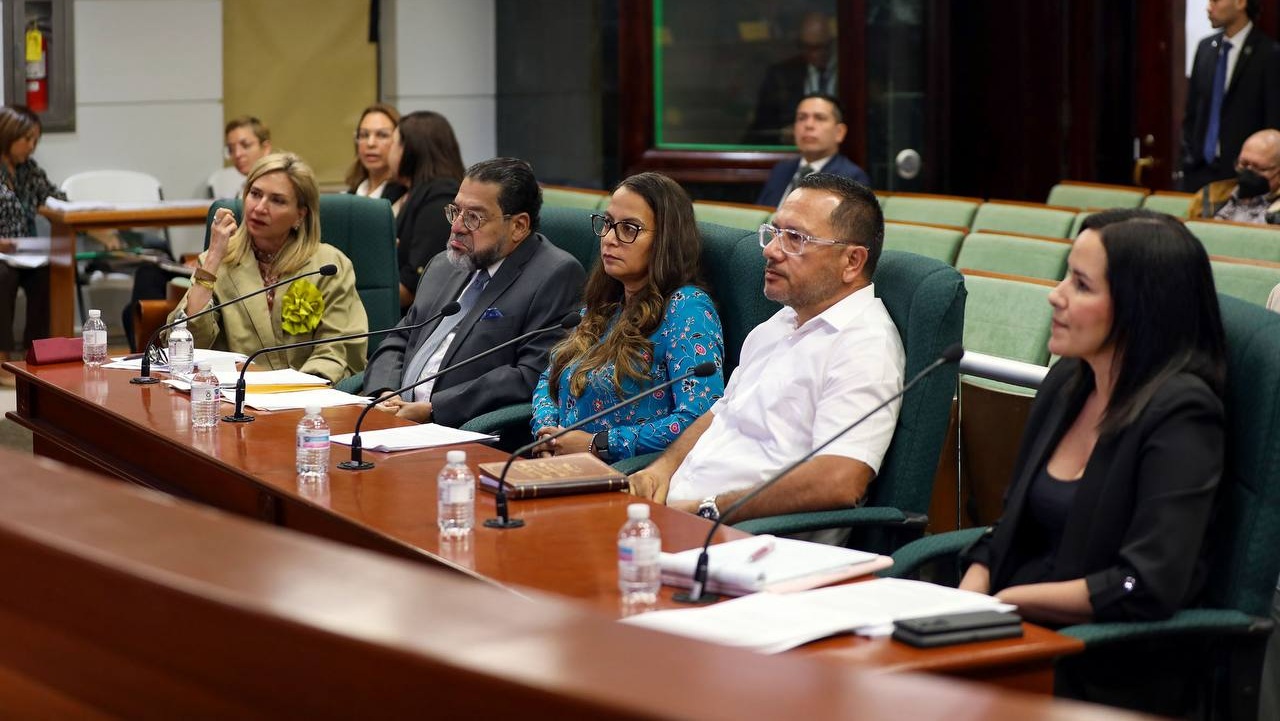
The organization is seeking bipartisan support at the Capitol, having already met with Representatives Victor Pares, of the New Progressive Party; Hector Ferrer, of the Popular Democratic Party; and Dennis Marquez, of the Puerto Rican Independence Party 1. Ferrer said lawmakers have a constitutional duty to address citizen petitions and that they normally do not object to studying them 1. The deadline for a filed bill to be approved by both legislative chambers before the session closes is November 12, 2026 1.
Governor Jenniffer Gonzalez is separately pushing other water initiatives, with Carlos Pesquera serving as special coordinator for water stability, and the Fiscal Oversight Board has provided partial funding for a well-development project 1.
What it means for you
If you live in western Puerto Rico, you have probably already felt these interruptions firsthand. The proposal will not fix this year's drought, but it aims to prevent land that currently recharges aquifers from being paved over or deforested, which would worsen future water cuts. Maldonado warned that the water issue is likely one of the biggest crises the island faces and that there still has not been a serious discussion about the policy changes needed to keep it from recurring 1.
How to act / Checklist
- Check whether your municipality is among the eight western ones at highest drought risk by consulting the U.S. Drought Monitor for Puerto Rico 4.
- Report service interruptions to the Puerto Rico Aqueduct and Sewer Authority (AAA) so they are officially documented.
- Cut household water use during peak hours and check pipes for leaks, one of the main causes of treated-water loss.
- If your community has creeks, forests, or land that help recharge nearby wells, document any construction project you see nearby and notify DRNA.
- Write or call your representative and senator to ask them to take a position on the Water Security Law bill before the November 12, 2026 deadline 1.
- Follow La Marana's updates on public hearings and the bill's formal filing 2.
What's next
La Marana hopes the draft will be formally filed by one or more of the legislators it has met with before the November 12, 2026 deadline closes 1. If passed, DRNA would have to begin identifying and mapping the Strategic Hydric Recharge Areas, while Puerto Rico's broader water debate continues to intersect with the government's other efforts, including Carlos Pesquera's work and the well project partly funded by the Fiscal Oversight Board 1.
Sources
CoquiList summary and local context. Read the linked sources for the original reporting.
Ask about this story
Ask anything about this article — in English or Spanish.
Log in to ask about this story.
Comments (0)
Log in to join the conversation.
No comments yet — be the first.