New Bill Reopens the Fight Over Puerto Rico's Karst, Threatening Three Decades of Environmental Protection
CoquiList · With information from NotiCel

A bill seeking to rewrite how Puerto Rico protects its karst region put environmentalists, builders and communities back on a war footing this week, after the House Natural Resources Committee held a public hearing on Monday, September 28, on House Bill 1079 (PC 1079) 1. The measure, filed by House Speaker Carlos "Johnny" Mendez Nunez, proposes amending the Law for the Protection and Conservation of Karst Physiography, Law 292 of 1999, which for 27 years has regulated development on the mogotes, caves and sinkholes that cover much of the island's north 2.
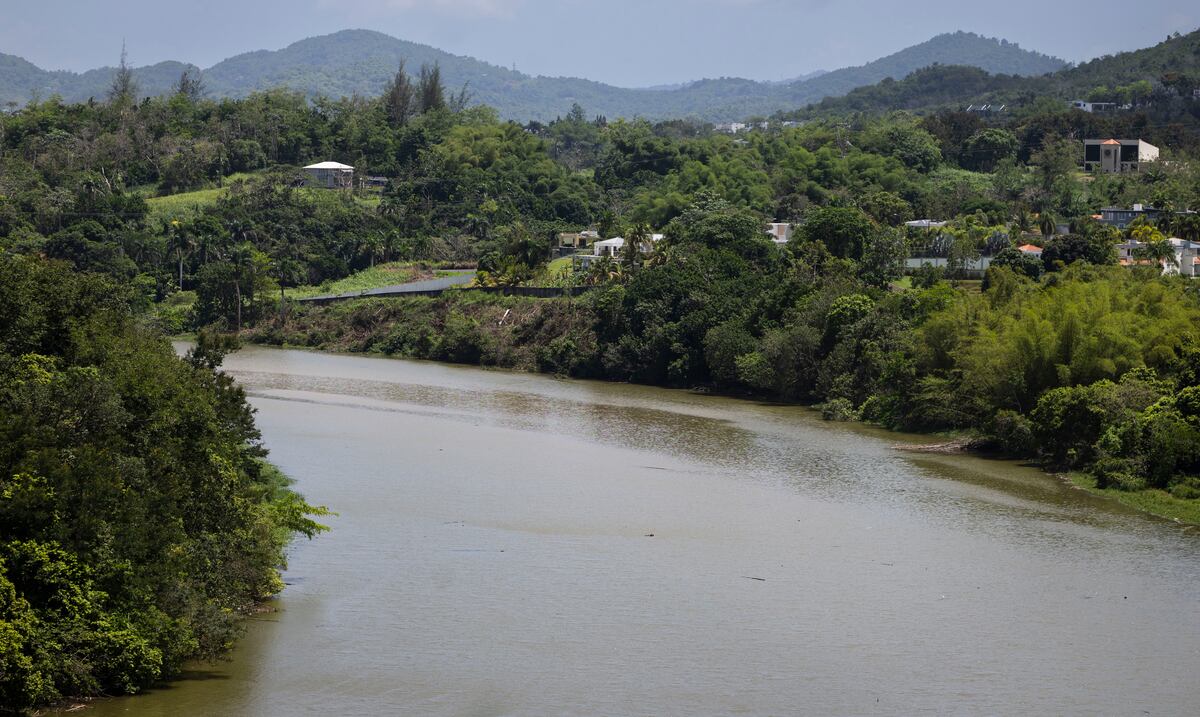
Karst covers roughly 28 percent of Puerto Rico's territory and is present in 50 municipalities, mainly in the northern region, where its aquifers supply drinking water to much of the metropolitan area 3. That means any change to its protection framework directly affects the water supply of hundreds of thousands of people, as well as the habitat of species found nowhere else, living exclusively in its caves and forests.
According to the organizations that testified against it, PC 1079 replaces the language "protect and conserve" with "protect, use and manage," removes references to karst as a non-renewable resource, and adds text describing it as "a source of raw material for development that improves the economy and quality of life of residents" 3. The bill would also eliminate the current ban on installing towers and antennas on mogotes and would transfer the authority the Department of Natural and Environmental Resources (DRNA) currently holds to delimit and enforce the karst zone to the Planning Board (JP) and the Permit Management Office (OGPe) 3.
Abel Vale, president of Ciudadanos del Karso, warned that the bill "is not for Puerto Ricans" but would make it easier for outside investors to do whatever they want on sensitive aquifer recharge land 3. Julio Rodriguez Planell, president of the Puerto Rico Speleological Society (SEPRI), said the text "confuses limestone rock, which can be raw material, with karst," which is a full geological, hydrological and ecological system 3. Hernaliz Vazquez, director of the Sierra Club of Puerto Rico, argued that karst "is not an obstacle to progress" but natural infrastructure that sustains aquifers, forests, caves and biodiversity 3. The United Speleological Society of the South (SEUS) called the shift of authority from DRNA to the Planning Board a "direct threat" to the metropolitan area's water supply capacity 1.
Not every reaction was outright rejection. DRNA, through Secretary Waldemar Quiles Perez, endorsed the measure with amendments, acknowledging "the ecological value of the karst region and the importance of ensuring its protection and sustainable use for Puerto Rico's benefit," while asking that the agency's technical jurisdiction be preserved 2. Planning Board president Hector Morales Martinez favored modernizing the 1999 law, arguing that DRNA has exercised excessive authority over land-use decisions that should belong to his agency 2. The Department of Justice recommended clarifying the distribution of powers among agencies and defining the term "raw material" before passage 2.
The Puerto Rico Builders Association (ACPR), represented by Patricio Martinez, asked for a case-by-case process with technical evidence for landowners whose property genuinely lacks karst features, but opposed blanket declarations without technical criteria that, it warned, could harm aquifer recharge and protected species habitat 1. Vega Baja residents, including Angelica Olavarria, described bureaucratic hurdles for minor projects, such as installing a removable tent, complaining that "bureaucracy punishes the citizen who follows the law" 1. The Puerto Rico Natural History and Conservation Museum proposed alternatives such as geological tourism routes, construction incentives in already-impacted zones, and economic models built around karst resilience 1.
Environmental attorney Pedro Saade Llorens was blunter: the bill "opens the door to uncontrolled development in the karst zone" that, in his words, "will cause tremendous damage" 2.
What It Means for You
If you live in one of the 50 municipalities with karst territory -including Arecibo, Manati, Barceloneta, Vega Baja, Vega Alta, Dorado, Toa Alta, Bayamon and much of the metro area- some of the water coming out of your tap likely comes from a karst aquifer 3. If DRNA loses technical authority to evaluate permits in that zone, the pace and oversight of new construction, landfills or infrastructure projects could change without the public immediately noticing. For property owners whose land genuinely has no karst formations, the bill promises faster, cheaper permitting; for those living near mogotes and caves, the change could mean fewer safeguards before a nearby development is approved.
How to Do It / Checklist
- Check whether your address falls within DRNA's karst zone map before planning any construction, expansion or installation on your property.
- Look up the status of PC 1079 on the Legislative Services Office website (oslpr.org) using the bill number to see whether it has already been amended.
- If you want to testify, ask about upcoming public hearings by the House Natural Resources Committee, which will include DRNA, OGPe and the Department of Justice 1.
- Before requesting a construction permit in a karst zone, consult directly with DRNA while the current law remains in effect.
- Follow organizations like Ciudadanos del Karso, SEPRI and the Sierra Club of Puerto Rico on social media for action alerts and hearing dates.
- Report illegal limestone extraction or unpermitted construction in karst zones through DRNA's complaint hotline.
What's Next
Natural Resources Committee chair Elinette Gonzalez Aguayo said PC 1079 will be amended following the mixed reactions at the first public hearing 12. Upcoming hearings will include additional testimony from DRNA, OGPe and the Department of Justice before the measure can move to a House vote 1. Meanwhile, environmental groups said they will keep testifying and pushing for any final version to keep DRNA as the technical authority over the karst zone, while builders and some property owners insist the current process is too slow and costly for those who do not actually affect real karst land.
CoquiList summary and local context. Read the linked sources for the original reporting.
Ask about this story
Ask anything about this article — in English or Spanish.
Log in to ask about this story.
Comments (0)
Log in to join the conversation.
No comments yet — be the first.